Sugar Transhipment.
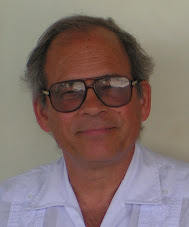
For years we in Anguilla have been puzzled and curious as to how we became a sugar exporting country. I have made a number of posts on the subject. Now, Paul Sjiem Fat, the CEO of Anguilla Capital Corporation has responded with detailed information that I am happy to publish as a guest editorial. He calls it:
OCT-EU Preferential Sugar Trade: With regard to the end of the processed sugar exports from Anguilla, please note that the EU did not "put a stop" to any sugar trade between the EU and its Overseas Countries and Territories. In fact, the yearly OCT sugar quota is alive and well and the 28.000 metric ton overall OCT allotment will continue in its present form until the end of 2008 at which point it will be gradually reduced by 7.000 metric tons per year until 2011.
What did happen, however, was the following. A complaint against the EU was filed in the arbitration tribunal of the World Trade Organization (WTO) by Brazil and a few other countries about four years ago. This complaint stated that due to the very high sugar subsidies in the EU combined with unusually high import tariffs, third country sugar producers were being unfairly "locked out" of the EU's sugar markets.
Two years ago the WTO's arbitration tribunal ruled in favor of the parties that filed the original complaint (Brazil et al) and the EU was given a period of two years to dismantle its long standing subsidized sugar market regime. The OCT sugar processing trade had since its inception been an "arbitrage" game.
OCT based companies such  as Anguilla Capital Corporation in Anguilla and others in Aruba and Curacao, sourced sugar at a low price in the global market and then shipped it to an OCT in order to subsequently ship to the EU (after nominal processing -- 'grinding, milling etc') and still make a decent return on their capital employed.
In accordance with the WTO's ruling the first thing that the EU did in order to dismantle its long standing subsidized sugar regime was forcibly lower their internal market prices. This, of course, created an "uneconomic" scenario for most, if not all, of the OCT based sugar processing export firms. In addition, another long standing agreement with the so called ACP group of countries involving raw sugar (not white refined as in our case) was also not renewed.
Mind you that of all the ACP countries that shipped raw sugar to the EU under a yearly quota, few if any had any natural competitive advantages in producing this sugar quota. For instance, you know St. Kitts better than me, and the mere fact that the island would have to import manpower from Guyana in order to harvest their cane crop shows how "unnatural" this arrangement was to begin with.
So, in short, the EU did not "stop" the OCT-EU processed sugar export trade at all. Rather, under irrevocable orders from the WTO the EU's internal sugar market prices were cut by almost 50% in less than eighteen months which in effect rendered the entire trade "uneconomical" in all of the OCT's. And, to add insult to injury, for the past thirty years world sugar prices (i.e., our 'raw material price') had been at historical lows (at times as low as US$ 175.-- per metric ton of white refined sugar). However, due to the fact that global energy prices increased by as much as they did over the past 24-30 months the viability of cane derived ethanol all of a sudden increased world market sugar prices by more than 200% which, in effect, was the last nail in the coffin that ended this trade in "all of the EU's OCT's."

 how we became a sugar exporting country. I have made a number of posts on the subject. Now, Paul Sjiem Fat, the CEO of Anguilla Capital Corporation has responded with detailed information that I am happy to publish as a guest editorial. He calls it:
 as Anguilla Capital Corporation in Anguilla and others in Aruba and Curacao, sourced sugar at a low price in the global market and then shipped it to an OCT in order to subsequently ship to the EU (after nominal processing -- 'grinding, milling etc') and still make a decent return on their capital employed.